
The Future of Wearable Tech: What to Expect Next

In the fast-evolving landscape of technology, wearable tech has emerged as a transformative force, reshaping how we interact with the digital world. Meet Sarah, a health-conscious professional who struggled to keep track of her fitness goals amidst her busy schedule. She often found herself overwhelmed by the plethora of fitness apps and devices available, leading to frustration and inconsistency in her health journey.
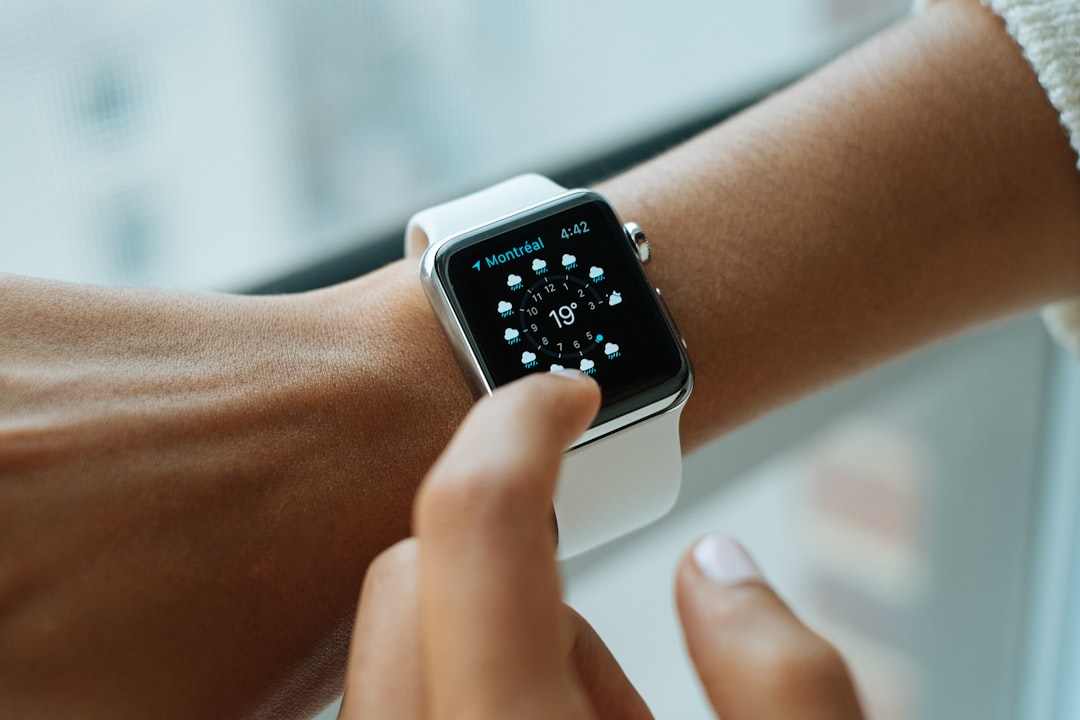
One day, Sarah decided to invest in a smartwatch that promised to integrate seamlessly with her lifestyle. This decision marked a turning point for her. The smartwatch not only tracked her daily activities but also provided insights into her sleep patterns, heart rate, and even stress levels. With real-time notifications and reminders, Sarah found herself more motivated to stay active and make healthier choices.
The value proposition of wearable tech lies in its ability to provide personalized data that empowers users like Sarah to take charge of their health. Unlike traditional fitness trackers, modern wearables offer advanced features such as GPS tracking, heart rate monitoring, and even ECG capabilities. These functionalities cater to a wide range of user needs, from fitness enthusiasts to individuals managing chronic health conditions.
Moreover, wearable technology is not limited to health and fitness. Industries such as retail, manufacturing, and even education are leveraging wearables to enhance productivity and engagement. For instance, employees equipped with smart glasses can access real-time information while on the job, improving efficiency and reducing errors. In education, students using augmented reality headsets can immerse themselves in interactive learning experiences, making complex subjects more accessible and engaging.
The benefits of adopting wearable tech extend beyond individual use cases. Businesses can harness the power of data collected from wearables to gain insights into consumer behavior and preferences. This information can inform marketing strategies, product development, and customer service improvements. For example, a retail company could analyze data from wearable devices to understand shopping patterns and tailor promotions accordingly, ultimately driving sales and enhancing customer satisfaction.
As we look to the future, the potential of wearable technology is boundless. Innovations such as smart fabrics and health-monitoring implants are on the horizon, promising to revolutionize how we think about personal health and connectivity. Imagine a world where your clothing not only keeps you comfortable but also monitors your vital signs, alerting you to potential health issues before they become serious.
However, with these advancements come challenges, particularly in the realm of cybersecurity. As wearables collect sensitive personal data, ensuring the security and privacy of this information is paramount. Companies must prioritize robust cybersecurity measures to protect users from potential breaches and build trust in their products.
For Sarah, the lesson learned was clear: embracing wearable technology not only simplified her health management but also empowered her to make informed decisions. By integrating wearables into her daily routine, she transformed her approach to fitness and well-being.
In conclusion, the future of wearable tech is bright, offering innovative solutions that cater to diverse needs across various sectors. Whether you’re a fitness enthusiast like Sarah or a business looking to enhance operational efficiency, the right wearable technology can provide the insights and tools necessary to thrive in an increasingly digital world. As we continue to explore the possibilities, one thing is certain: wearable tech is here to stay, and its impact will only grow stronger.