
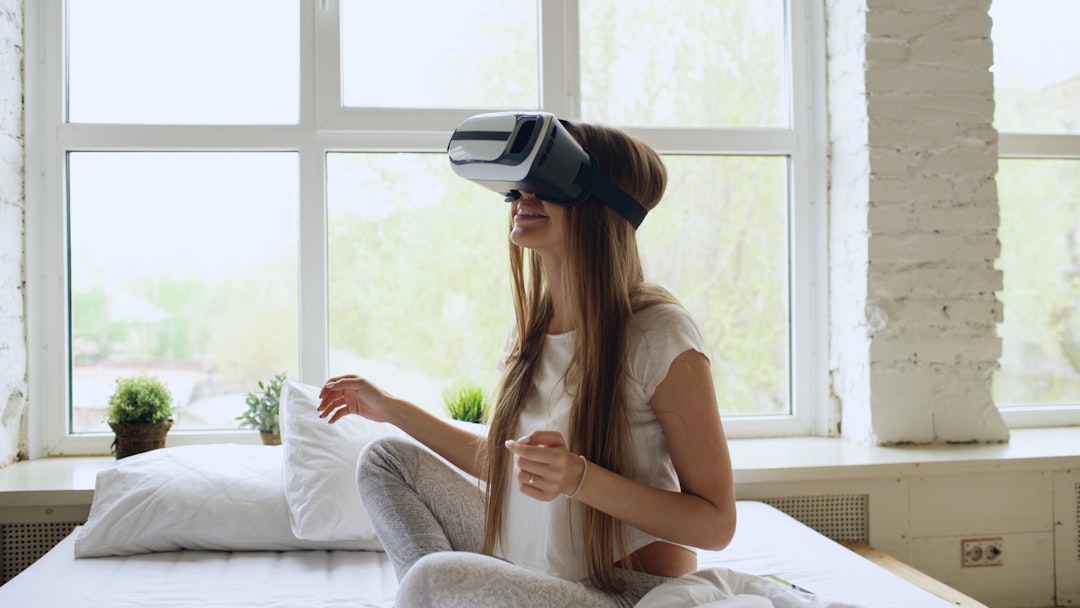
How Virtual Reality is Changing Entertainment and Education

Virtual reality (VR) is no longer a concept confined to science fiction; it has become a transformative force in both entertainment and education. As technology advances, VR is reshaping how we experience stories, learn new skills, and engage with content. This article explores the profound impact of virtual reality on these two sectors, highlighting its value proposition, addressing user needs, and showcasing practical outcomes.
In the entertainment industry, VR offers immersive experiences that traditional media cannot match. According to a recent report, the global virtual reality market is expected to reach $57.55 billion by 2027, growing at a compound annual growth rate (CAGR) of 44.7% from 2020. This growth is driven by the increasing demand for interactive and engaging content. VR allows users to step into a narrative, making them active participants rather than passive viewers. For instance, VR gaming has surged in popularity, with titles like “Beat Saber” and “Half-Life: Alyx” providing players with unparalleled levels of engagement and interactivity.
Key Insight: The immersive nature of VR not only enhances user engagement but also fosters a deeper emotional connection to the content, leading to higher retention rates and satisfaction.
In education, VR is revolutionizing how knowledge is imparted and absorbed. Traditional teaching methods often struggle to engage students effectively, but VR can transform learning into an interactive adventure. A study found that students using VR for educational purposes scored 30% higher on assessments compared to those who learned through conventional methods. This is particularly evident in fields such as medicine, where VR simulations allow students to practice surgical procedures in a risk-free environment. Similarly, history lessons can come alive as students explore ancient civilizations through virtual field trips.
The benefits of VR in education extend beyond improved test scores. It caters to various learning styles, making it an inclusive tool for diverse classrooms. Visual learners can benefit from the immersive visuals, while kinesthetic learners can engage with the material through hands-on experiences. Moreover, VR can bridge geographical gaps, allowing students from different parts of the world to collaborate in a shared virtual space.
However, the implementation of VR technology is not without challenges. High costs and the need for specialized equipment can be barriers for some educational institutions and entertainment providers. Yet, as technology advances and becomes more accessible, these hurdles are gradually being overcome. Companies are developing affordable VR solutions, and educational institutions are increasingly investing in VR labs and resources.
Trust and credibility are essential when adopting new technologies. As VR continues to evolve, it is crucial for users to rely on reputable providers who prioritize quality and user experience. TechHubHome.com is at the forefront of this revolution, offering tailored VR solutions for both entertainment and educational purposes. Our team of experts is dedicated to delivering high-quality VR experiences that meet the unique needs of our clients.
In conclusion, virtual reality is changing the landscape of entertainment and education by providing immersive, engaging, and effective experiences. As the market continues to grow, the potential for VR to enhance our lives is immense. By understanding the value proposition of VR and addressing the needs of users, we can harness this technology to create meaningful experiences that resonate with audiences and learners alike.